
The International Swimming League (“ISL”) was created in the vision of its founder and lover of the sport, Konstantin Grigorishin, to give elite swimmers a consistent professional stage beyond the Olympic window, with city branded and sponsor backed franchise teams, a fast paced format, and a commercial model designed to reward athletes and grow the sport’s audience. Konstantin believed existing elite swimming lacked imagination, immersion and its stale format deprived one of the world’s most popular pastimes of a potential new global audience.
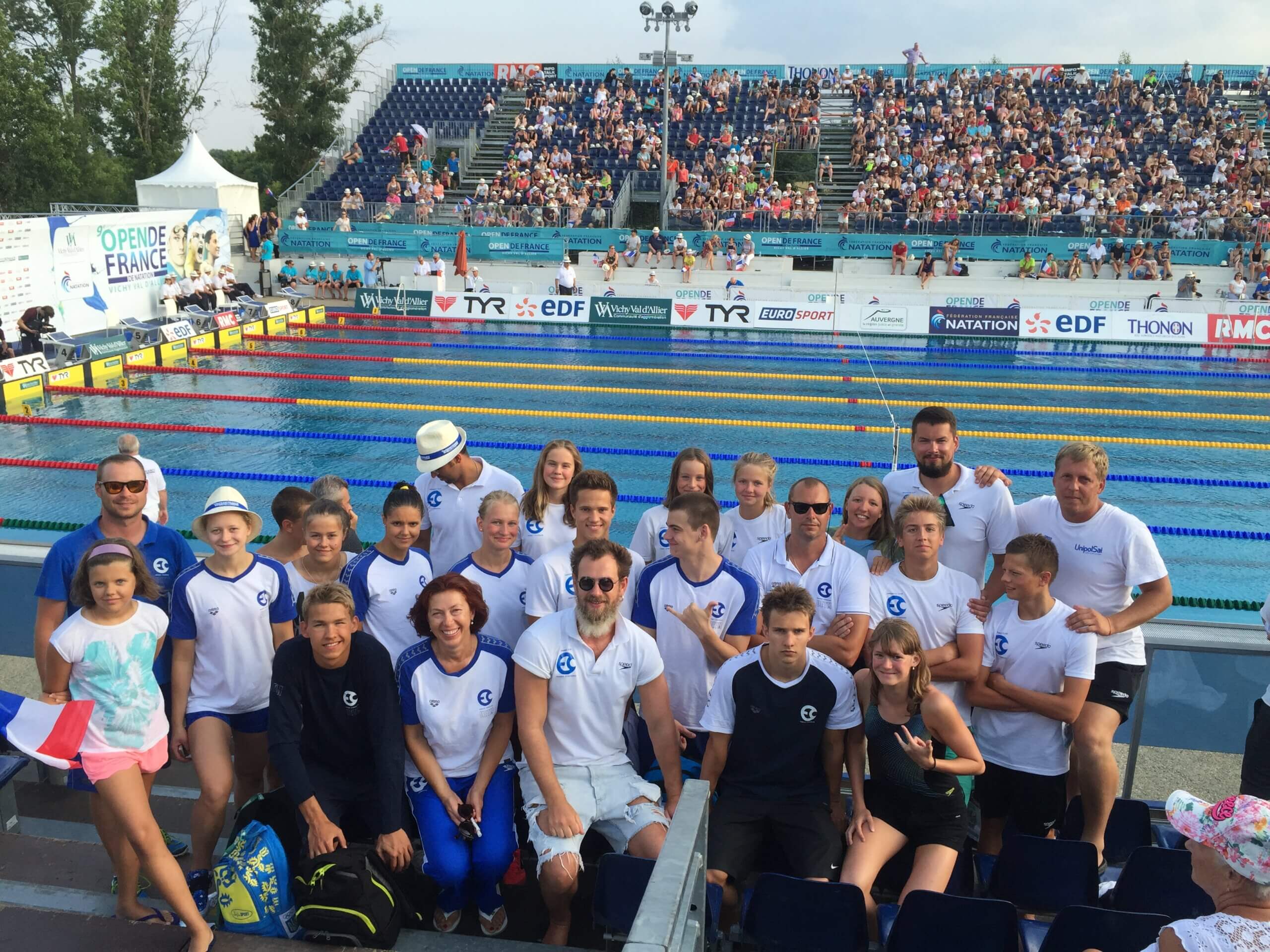
Konstantin’s interest in swimming became personal when his son showed promise as a butterfly swimmer. This was the beginning of the ISL journey. Konstantin supported his son’s career development, which inspired him to eventually set up the Energy Standard Swim Club, which went on to become a competitive mainstay team of the ISL comprised of leading international swimmers.

As Konstantin’s passion for the sport of swimming grew, he took an interest in how young athletes in the sport were being developed, concerned that the existing training models were pushing them too hard, too early, causing physical and mental burnout, and preventing them from having long, healthy careers while curtailing their true potential. Konstantin wanted to create the foundations for a better, more athlete-welfare orientated model of training and career progression. This eventually led to him establishing ISL in 2019 with a commitment to creating an environment for elite swimmers to partake in regular, meritocratic competition with significant earning potential delivered via creative and engaging formats, taking on what Konstantin believed was an archaic system, limiting athletes to showcase their talents only once every four years.
Between 2019 and 2021, the league attracted many of the world’s best-known swimmers and demonstrated that high intensity, broadcast friendly racing can work as a season long league format. Operations then paused after the 2021 season, following disruption across the sport and the wider world. Following a surge in popularity among elite swimmers, the establishment that ISL successfully disrupted made every effort to stem its growing popularity. This, combined with the outbreak of an unprecedented pandemic shaking international economies, coupled with the war in Ukraine shortly after, resulted in the league being temporary halted.
But ISL is coming back, focussed on creating a sustainable model, while retaining its focus on clean sport, athlete welfare, and a cutting edge fan experience.
ISL’s early seasons were built around a simple idea: swimming should not have to wait four years for a peak moment. The league was designed to keep athletes visible and marketable throughout the cycle, while giving fans more regular, high-quality competition that felt modern, dynamic and easy to follow.
From the outset, ISL positioned itself as a team competition, with points, standings, and match formats that created clear competitive stakes, and with production choices aimed at making the sport more compelling for live audiences and broadcasters. That approach brought a different atmosphere to elite swimming, with a tighter schedule, fewer dead moments, and a premium on consistent performance across a full roster, not only individual stars.
The first season in 2019 launched with eight teams and a short series of meets that culminated in a final in Las Vegas. The second season in 2020 expanded to ten teams and ran in a controlled competition environment in Budapest, at a time when much of global sport was disrupted, helping keep many athletes racing when opportunities elsewhere were limited.
The third season in 2021 continued the league’s development, with an expanded match structure and a format that rewarded both sprint speed and depth across strokes, including high intensity skins racing. Across those seasons, ISL made the case that swimming can be packaged as a repeatable, premium broadcast experience while remaining rooted in sporting credibility and strong integrity standards.
ISL’s ambition is to relaunch in a way that is resilient and scalable, with a commercial model that is less dependent on any single funding source and more anchored in sponsorship and media partnerships. In late 2025, ISL leadership announced its ambition to return by 2027 and with a future season expected to include events across North America and Europe, with at least one stop in Asia and potential expansion into additional regions over time. ISL has also signalled that it is evaluating format refinements, including options that may make competitions easier for broadcasters and travelling fans, while preserving the speed and intensity that defined the league’s early identity.
At its core, ISL’s story – and Konstantin’s vision - is about professionalising swimming in a way that benefits athletes and grows the sport’s relevance with new modern audiences. The league’s next chapter is intended to build on its successes in 2019 to 2021 and return with a structure that has at its heart long term athlete opportunity, captivating competition, and a viewing experience capable of attracting new fans to swimming whether that be as a career path, a sporting activity or a lifelong health pursuit.